Introduction
The Pakistan Polio Eradication Initiative (PEI) has launched a comprehensive case investigation and is analyzing the best science-based response to stop transmission. A door-to-door polio vaccination campaign is currently underway in 97 districts, including Khyber, to protect nearly 24 million children. while a targeted injectable polio vaccination campaign was held in 78 union councils of the Peshawar Block from October 26-31 that protected 829,000 children up to the age of 10. Further strategies to boost immunity in children are also under consideration, including delivery of health services and strengthening of routine immunization
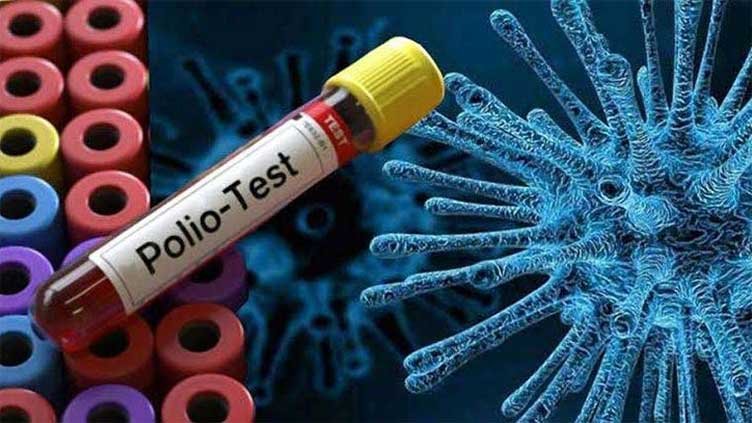
The poliovirus detected in all three cases from Khyber District has genetic linkages to Afghanistan that is polio outbreak in pakistan – which is facing an intense outbreak with 50 cases reported this year –, indicating cross-border circulation of poliovirus. Therefore, consistent vaccination remains urgent for all children, especially during the ongoing polio vaccination campaign, which is synchronized in both countries as part of cross-border polio eradication efforts.
Polio eradication is a collective responsibility. Pakistan’s dedicated frontline workers continue to bring vaccines to children at their doorsteps, while parents and caregivers play a crucial role by ensuring their children receive all recommended doses, including routine immunizations. The PEI urges all parents and communities to ensure that all children under five receive the polio vaccine in every round.
The latest infection was confirmed in Khyber district, where a seven-month-old boy tested positive for the virus. The development highlights the continuing challenges facing Pakistan’s polio eradication programme and the importance of protecting children through regular vaccination.
Pakistan reports ninth case of polio in 2026
The ninth case was confirmed on November 5, 2026, by the Regional Reference Laboratory for Polio Eradication in Islamabad, according to the Pakistan Polio Eradication Initiative.
The child comes from Mastak Union Council in Bara Tehsil, Khyber and is the third case reported from the district this year. It is also the seventh case from Khyber Pakhtunkhwa.
Genetic analysis has also shown links between the poliovirus detected in Khyber and strains reported in Afghanistan where there have been 50 cases reported so far in 2026.
This shows the virus is still circulating across borders and we need to improve immunisation rates.
Why is Polio outbreak Spreading in Khyber Pakhtunkhwa?
Khyber Pakhtunkhwa is an area of great concern for public health authorities due to the regular detections of the virus.
Some reasons why it can be hard to eradicate polio include:
- Difficult to reach communities – Sometimes the geography can be tough for health workers to get to every home.
- Misinformation about the vaccine – Some families may not want their Children
- To be vaccinated due to confusion over the safety of the vaccine.
- Concerns for safety – Some areas may have concerns about the safety which can affect the vaccination process.
The virus has also been detected in some areas through environmental surveillance.
Mass Vaccination Campaign Across the Country
In an effort to control the latest outbreak of polio, Pakistan has increased its vaccination efforts.
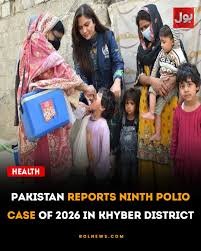
A mass house to house vaccination programme is taking place targeting around 24 million children under the age of five across 97 districts, according to the National Emergency Operations Centre (NEOC).
The vaccination is happening in Khyber and other high risk areas.
Over 200,000 frontline health workers are vaccinating children with the drops.
They are also working with Afghanistan to increase vaccination efforts to help reduce the spread of polio across borders.
What is Polio?
Polio (also known as poliomyelitis) is a highly infectious virus affecting children under the age of five.
It is mainly transmitted through the faecal-oral route often through contaminated food and water and unsanitary conditions.
Once inside the body the virus attacks the nervous system causing paralysis. This can be life threatening as it can cause problems with breathing.
Symptoms can include:
- High temperature
- Tiredness
- Headaches
- Muscle aches
- Stiff neck
- Weakness in limbs
Many people won’t show any symptoms however meaning it can be difficult to detect transmission within the community.
There is currently no cure for polio however it can be prevented by vaccination.
How can parents help protect their children?
As parents you should take the following steps to help stop polio outbreak in pakistan:
- Make sure all children under five get the drops during vaccination campaigns.
- Get all of your children’s routine vaccinations.
- Work with authorised health workers coming to vaccinate your family.
- Keep hands clean and drink safe water.
- If your child shows any unusual muscle weakness seek medical advice.
- Don’t believe any fake information about the polio vaccinations.
- Getting vaccinated regularly is very important as the more times they get vaccinated the more protected they are.
Government Increase Efforts to Eliminate Polio outbreak in pakistan
Prime Minister Shehbaz Sharif has urged more efforts to be made to eliminate polio from the country after the latest cases.
During a high level review meeting in Islamabad on November 5, 2026, he instructed federal health officials and Polio Eradication representatives to work with the provinces to create an action plan within a week.
The government has stressed the importance of improving routine vaccinations, protecting vaccination workers and reaching more remote communities.
The Pakistan Polio Eradication Initiative are continuing to investigate the confirmed cases and looking into further actions to stop transmission.
Pakistan’s Fight Against Polio
Pakistan has had great success in reducing the number of polio infections. The number of reported cases have dropped from an estimated 20,000 per year in the early 1990s to just 31 cases in 2025, according to the official Polio Eradication Initiative.
However, there have been nine cases reported in 2026 showing the virus has not been completely eradicated.
Pakistan and Afghanistan are the only two countries in the world where wild poliovirus is endemic. Working together is vital to help protect children.
Improving healthcare, vaccination rates and raising awareness will be key in eradicating polio.
Conclusion
The latest outbreak of polio in Pakistan shows how wild poliovirus is still a real threat. Khyber Pakhtunkhwa is an area of concern as seven out of the nine reported cases in the country have come from this area. Health workers will find it challenging to vaccinate every child.
Whilst Pakistan has had great success in controlling polio, it will be important to keep up efforts.
Working together as parents, healthcare professionals, government and local communities will be vital to make sure all children get their recommended vaccinations. Regular immunisations are the best way to protect children and bring Pakistan closer to becoming polio free.